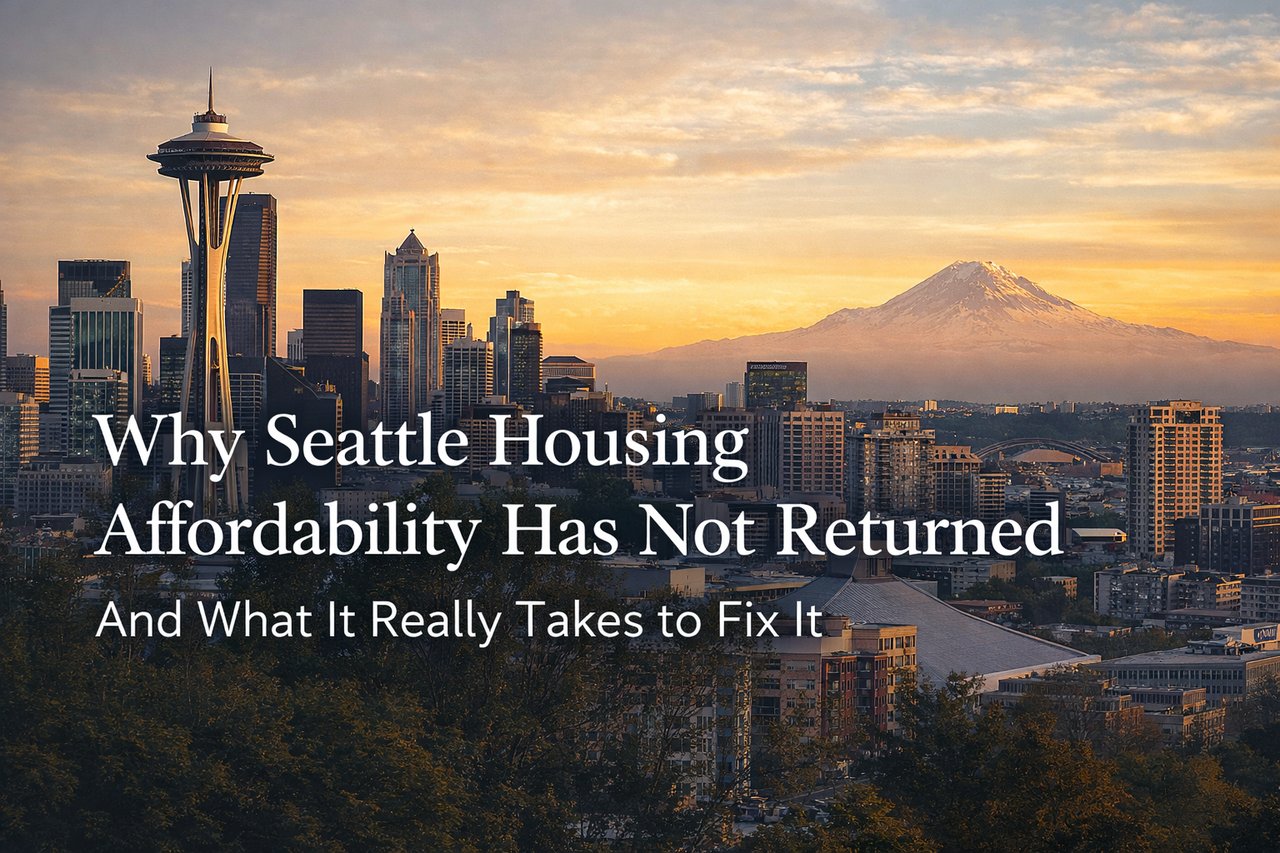
Why Housing Affordability Has Not Recovered and What Actually Fixes It
Market Insights Brian Side
Market Insights Brian Side
Housing affordability remains one of the most talked about topics in real estate, yet much of the conversation misses the core issue. Buyers are waiting for prices to fall. Sellers are watching interest rates. Headlines focus on short-term swings. But the math tells a different story.
Economist Elliot Eisenberg recently broke down what it would actually take to return homebuyer affordability to pre Covid levels. The conclusions are clear and sobering.
To fully restore affordability, one of the following would need to happen:
Wages would need to rise by 56 percent, pushing the median household income to roughly $132,000 per year.
Mortgage rates would need to fall by approximately 2.65 percent, without triggering higher home prices.
Or home prices would need to decline by about 35 percent.
None of these outcomes are realistic on their own.
Even under a more optimistic scenario where wages rise 19 percent and mortgage rates fall to around 3.85 percent, home prices would still need to decline another 12 percent to fully close the affordability gap.
That context matters.
Unlike prior downturns, today’s homeowners are generally well positioned. Most are locked into low interest rates, carry significant equity, and went through far stricter underwriting standards. This dramatically limits forced selling.
Without widespread distress, sharp price corrections become unlikely.
Lower mortgage rates help monthly payments, but they also increase buyer demand. Without more homes available, lower rates often push prices higher. Rates can improve affordability at the margin, but they cannot solve the problem alone.
Wages are growing, but income growth moves slowly. Expecting household earnings to increase by 50 percent or more is not how labor markets work. This is a long term contributor, not a short term fix.
Housing affordability is fundamentally a supply issue.
For more than a decade, the U.S. has underbuilt relative to population growth, household formation, and changing lifestyle needs. Until housing supply meaningfully increases, affordability pressure will remain, even if rates fall.
More housing leads to less competition, slower price growth, and more options for buyers. It is the only sustainable path forward that does not rely on economic pain.
For buyers, waiting for the perfect alignment of lower prices, lower rates, and higher wages is rarely a winning strategy. The better approach is to buy when the numbers make sense for your household and your timeline.
For sellers, scarcity still matters. Well priced homes in desirable locations continue to attract strong interest, especially when presented correctly.
For policymakers, builders, and cities, the message is simple. Build homes.
Affordability will not be fixed by hoping for a market crash or a return to historic interest rates. It will be solved by increasing supply in thoughtful, strategic ways.
Clear thinking and long term planning matter more than headlines.
If you want to talk through how this impacts your buying or selling strategy, I am always happy to have the conversation.
Real Estate News
September 14, 2026
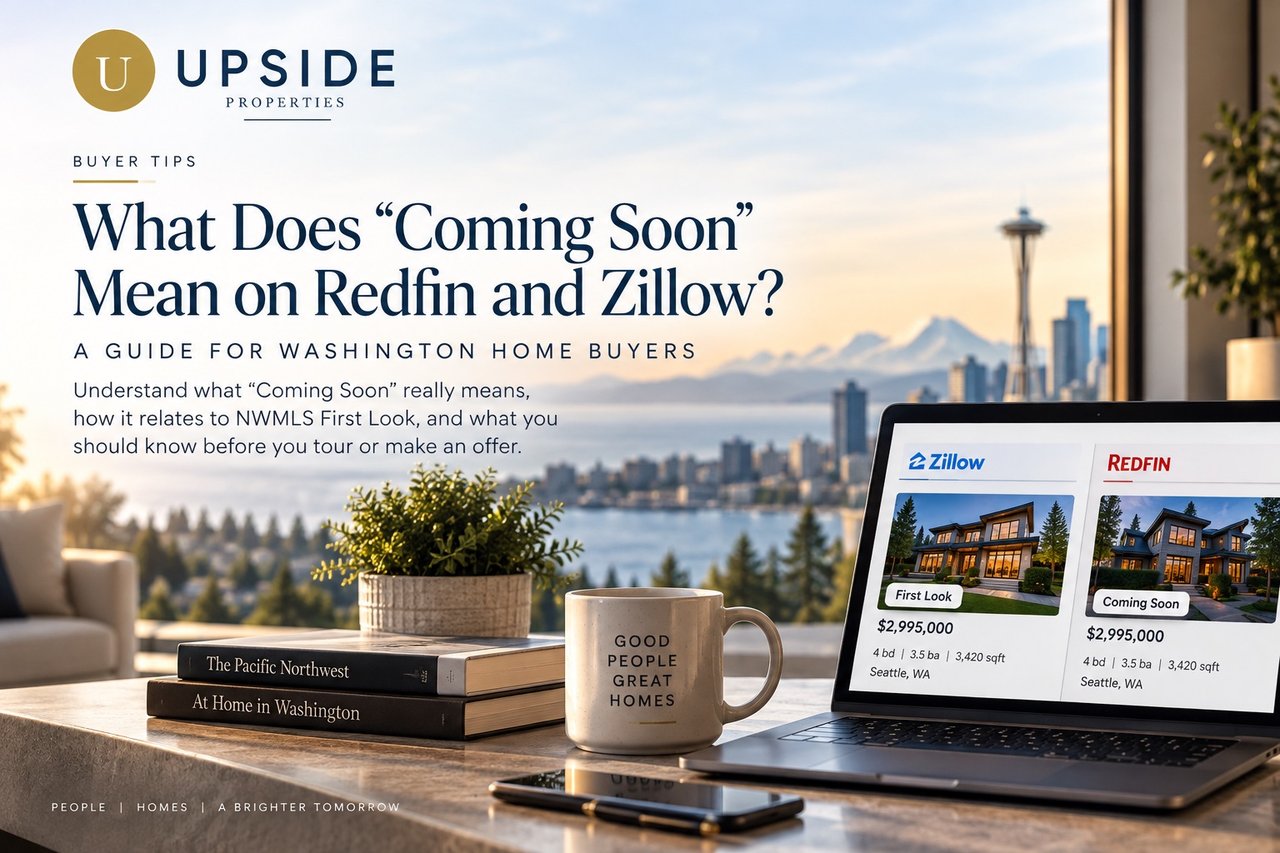
What Washington home buyers need to know about NWMLS First Look, early showings, and the listings they see online.

Real Estate News
September 9, 2026
NWMLS First Look Explained | Seattle Real Estate

July 14, 2026
Should I buy now, or should I wait until 2027?

Market Insights
July 13, 2026
Inventory Continues to Expand as Summer Home Sales Gain Momentum

June 18, 2026
By Brian Side, Founder & Managing Broker, Upside Properties

Home Trends
June 9, 2026
What Seattle area homeowners should know about the kitchen colors influencing buyer appeal and resale value.

May 13, 2026
Seattle Real Estate Market Update

April 27, 2026
And Why Right Now Is the Time to Pay Attention
Market Insights
January 26, 2026
Where the Housing Market Stands in Early 2026 and What It Means for Buyers and Sellers in Seattle
Unlock the door to your Seattle real estate dreams with Upside Properties. Experience the confidence and peace of mind that come from working with a team that puts your interests first. Contact us today to schedule a consultation with one of our knowledgeable agents and embark on an exciting journey towards finding your perfect home.
Get In Touch With Our Team To Learn More
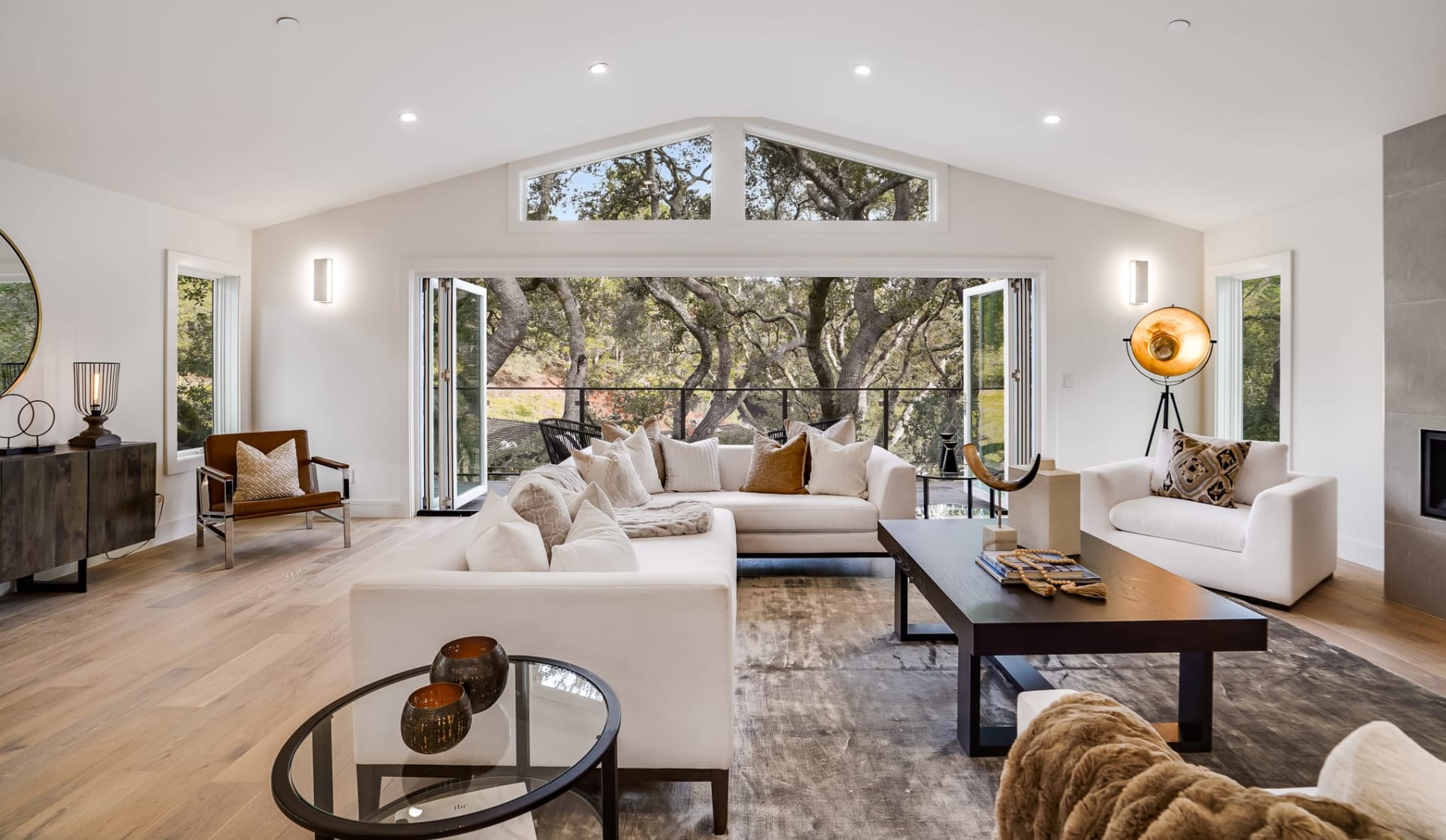
2026 Fairview Ave E Seattle, WA 98102